
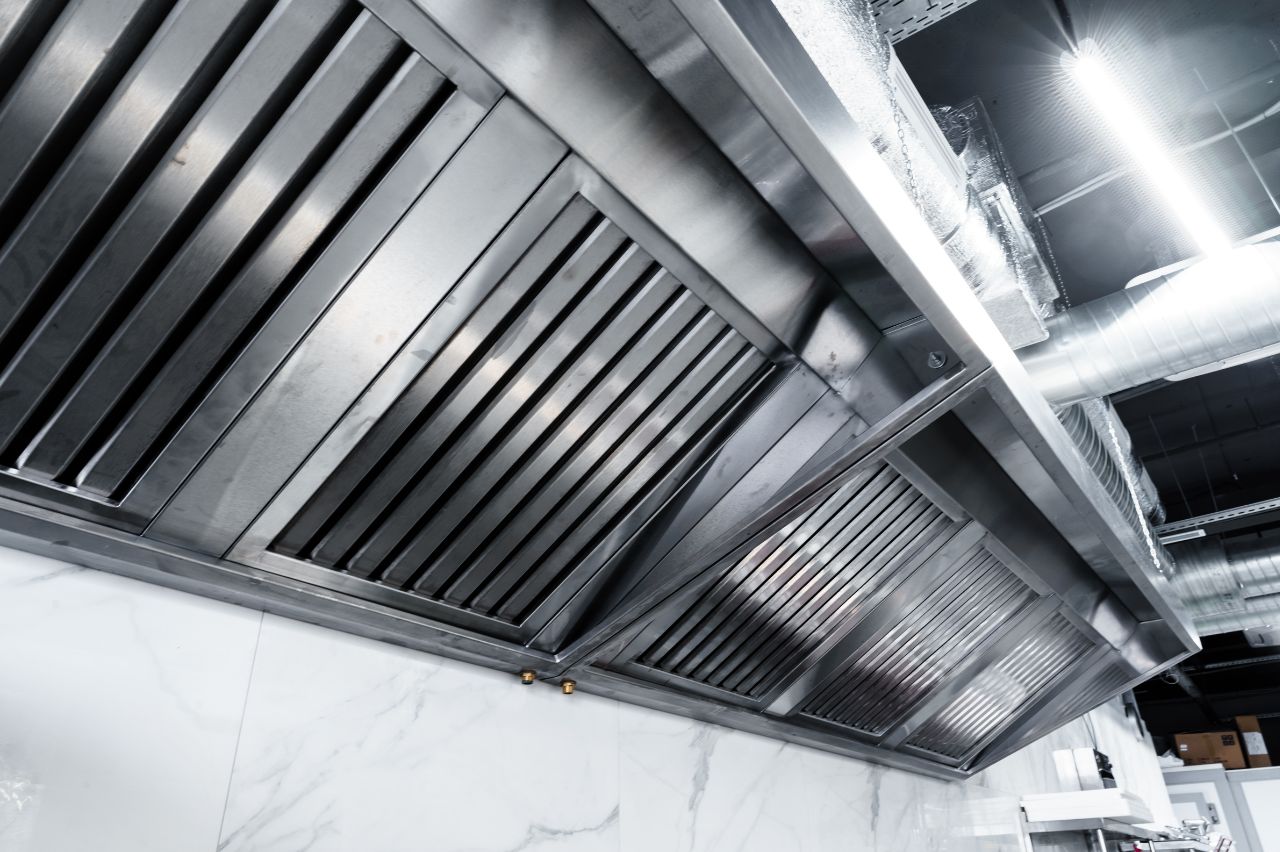
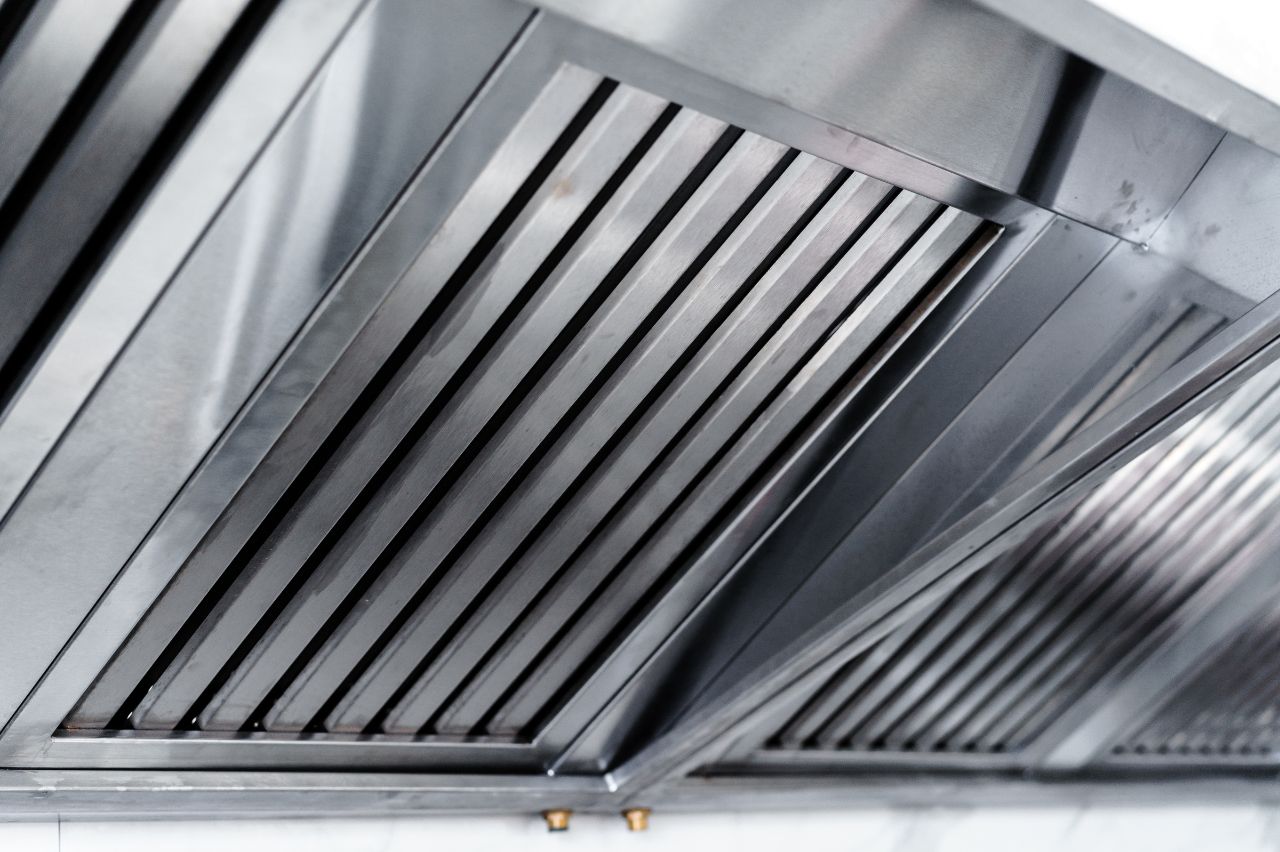
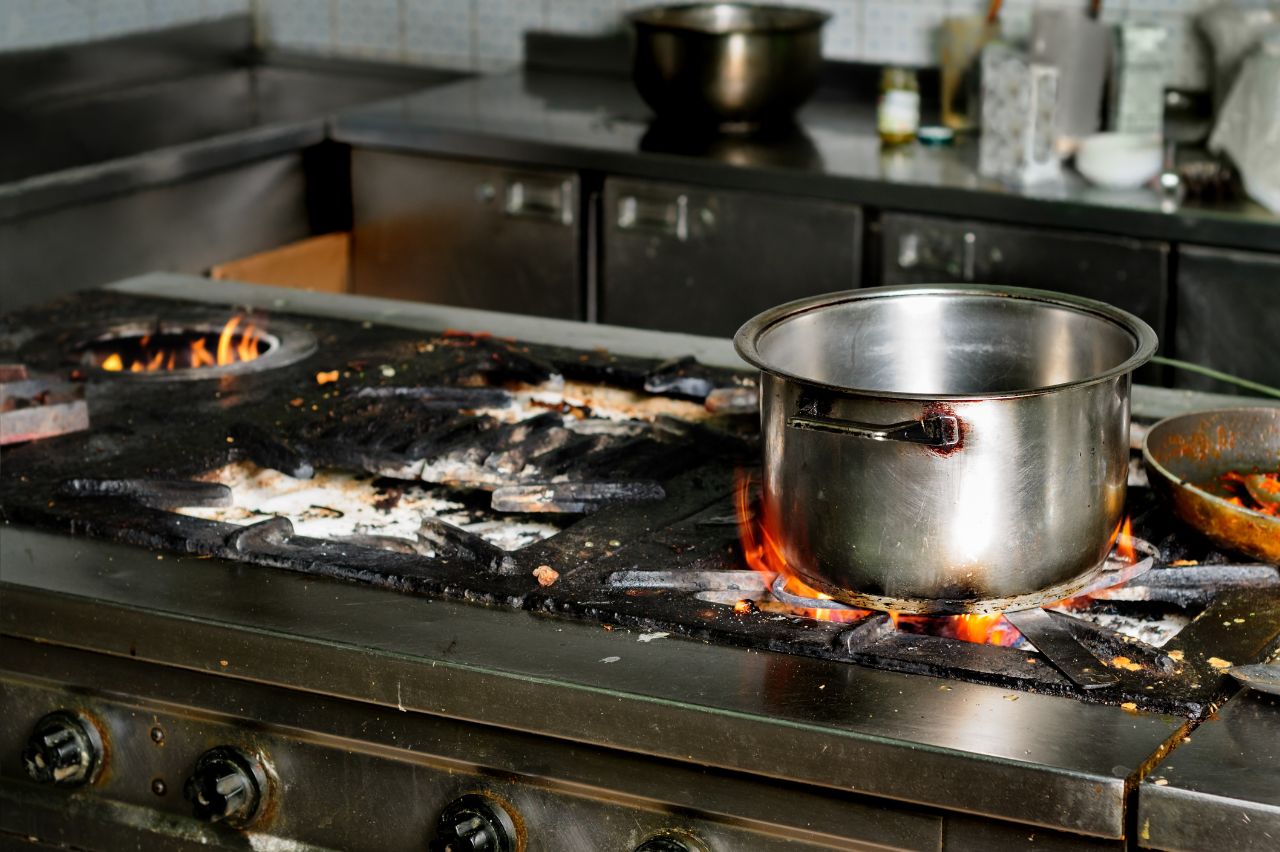
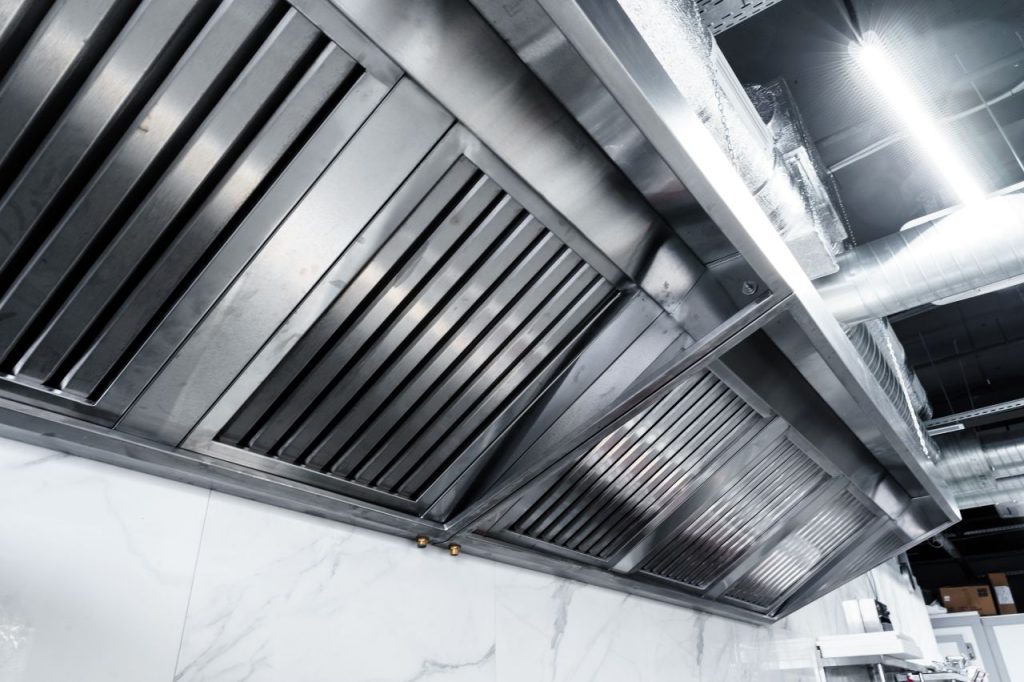
Keeping your kitchen exhaust hood clean isn’t just about hygiene—it’s a legal fire safety requirement. Whether you run a restaurant, food truck, hotel, or commercial cooking facility, routine hood cleaning protects your business from grease fires, smoke hazards, and costly FDNY violations.
🔥 Recommended Cleaning Frequency (NFPA 96 Standards)
1️⃣ High-Volume Kitchens
Every 1 month
- Fast-food restaurants
- Charcoal or wood-burning cooking
- 18+ hours operation
- Heavy frying, grilling, wok cooking
2️⃣ Medium-Volume Kitchens
Every 3 months
- Most restaurants
- Cafés, diners, pizzerias
- Moderate frying and grilling
3️⃣ Low-Volume Kitchens
Every 6 months
- Seasonal kitchens
- Churches, community halls
- Low daily cooking hours
4️⃣ Food Trucks & Mobile Kitchens
Every 1 month (minimum)
High grease production + small ventilation = faster buildup.
🧼 Why Regular Hood Cleaning Is Essential
- Prevents dangerous grease fires
- Stops smoke and odor problems
- Avoids costly FDNY and DOH violations
- Keeps exhaust fans and ducts running efficiently
- Protects your staff, customers, and equipment
- Keeps insurance policies valid
🔍 Signs Your Hood Needs Cleaning ASAP
- Visible grease dripping
- Strong burnt-grease smell
- Loud or slow exhaust fan
- Smoke lingering in kitchen
- Yellow/brown stains around filters
🧯 Professional Cleaning vs. DIY
DIY cleaning isn’t enough.
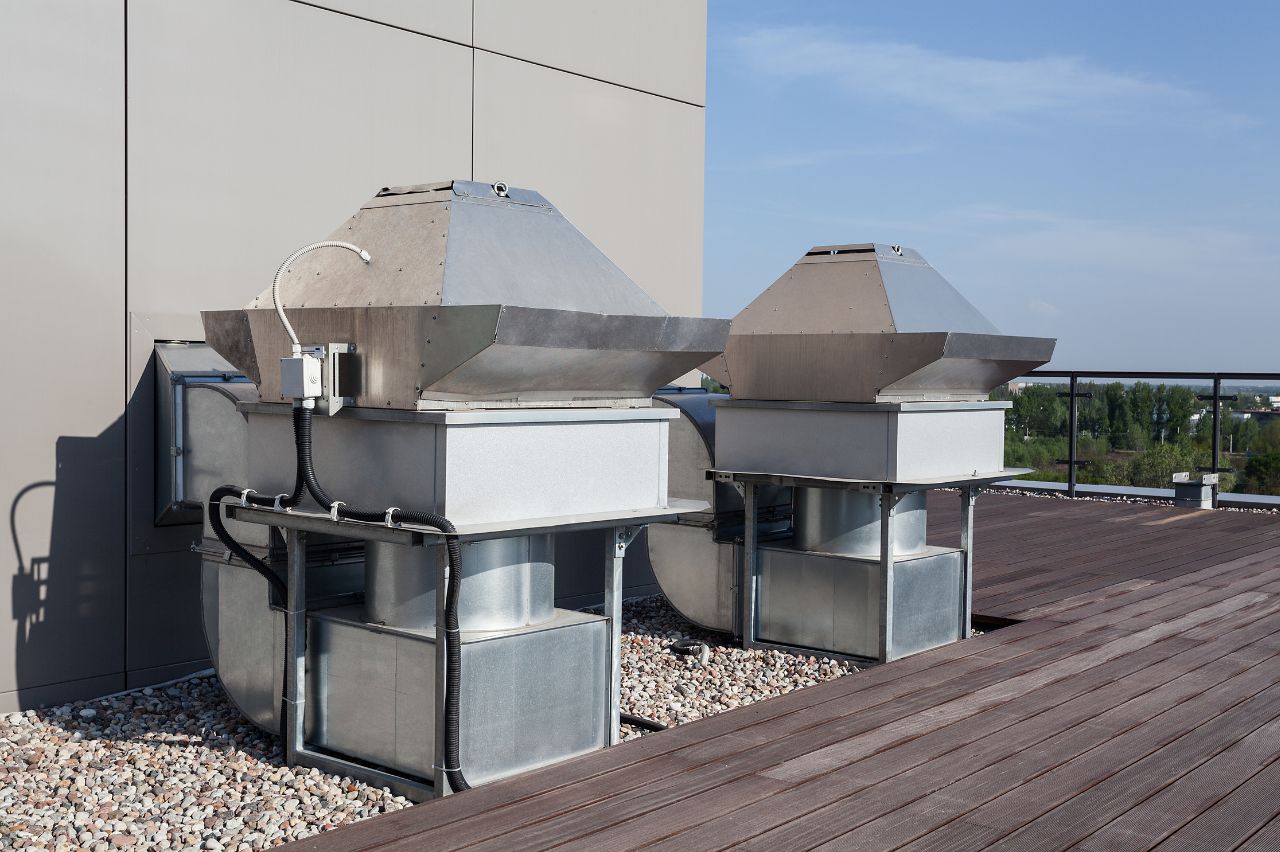
Surface cleaning only removes visible grease—fire risk comes from deep inside ducts, fans, and plenums.
FDNY-certified cleaning ensures:
✔ Full system cleaning
✔ Before/after photo reports
✔ NFPA 96 & UL 300 compliance
✔ Inspection-ready documentation
🛡 Final Advice
If you cook daily, schedule monthly to quarterly cleanings.
If you operate seasonally, schedule at least twice a year.
Regular maintenance keeps your kitchen safe, compliant, and protected from fire hazards.